General Contractor: Your Preferred Specialist for Home Projects
A general contractor fulfills an essential role in residential construction. They oversee various aspects of building work, guaranteeing that everything runs smoothly. Their expertise in construction regulations and regulations allows them to handle the complexities of licenses and inspections. This professional serves as a critical link between homeowners and subcontractors. However, many homeowners remain uncertain about the complete range of their offerings. Comprehending these specifics can greatly impact the success of any remodeling project.
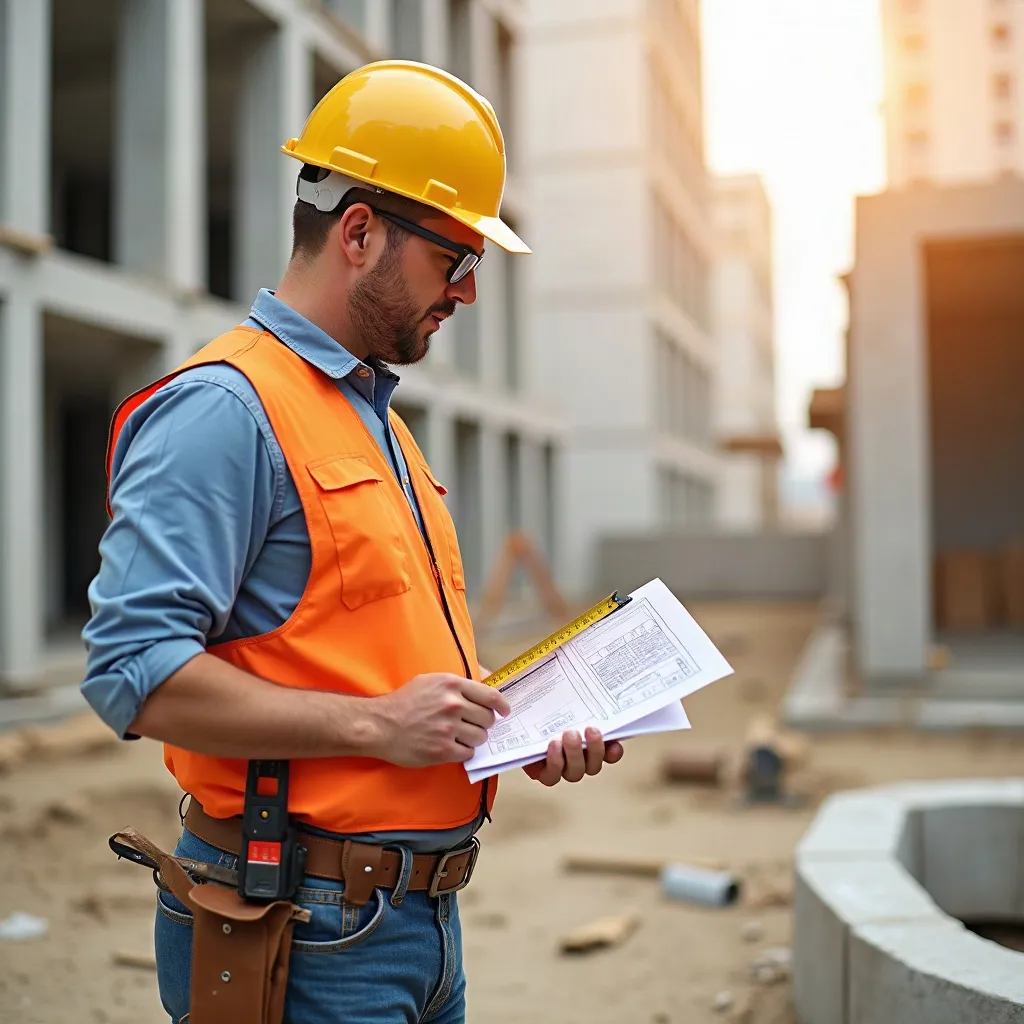
How Does a General Contractor Function?
A general contractor manages the multiple aspects of a building project, making certain that everything runs smoothly from initiation to completion. They serve as the chief communication hub, handling dialogue between clients, trade contractors, and material providers. This role encompasses planning the work schedule, supervising crew members, and ensuring compliance with area construction rules and regulations.
General contractors are in charge of obtaining necessary permits and scheduling inspections, which are essential to upholding safety and quality benchmarks. They also manage budget planning, material procurement, and overseeing site operations to prevent any possible setbacks or complications. In addition, they supervise subcontractors, making sure that each phase of construction aligns with project specifications and timelines. Overall, a general contractor's knowledge and management abilities are crucial for delivering a successful construction project, turning a client's vision into reality while balancing multiple tasks and responsibilities.
Advantages of Utilizing a General Contractor for Residential Remodeling
Using a skilled builder for home renovations offers many benefits that can substantially enhance the quality and efficiency of the renovation. Experienced contractors bring knowledge in project management, guaranteeing timelines are met and resources are allocated efficiently. Their strong relationships with subcontractors can produce competitive rates and superior workmanship, which ultimately saves homeowners money and time.
Additionally, general contractors coordinate the detailed aspects of documentation and quality checks, curbing potential legal issues. They also establish a single point of contact, simplifying communication and coordination among assorted contractors. This streamlining reduces the risk of misunderstandings and delays.
In addition, their experience enables them to recognize emerging challenges, facilitating proactive solutions to maintain the project on track. By pertinent information hiring a general contractor, homeowners can focus on their vision while enjoying peace of mind, knowing that a professional is directing every aspect of the renovation.
Clearing Up Myths Regarding General Contractors
While many property owners may hold false beliefs about contracting professionals, understanding the realities can lead to more informed decisions. One prevalent myth is that hiring a general contractor is not needed for minor projects; however, their skills can simplify even small-scale renovations, ensuring adherence with local codes. Another frequent belief is that general contractors are merely middlemen, but they often possess broad knowledge in multiple areas, enabling them to manage projects efficiently. Additionally, some clients think that working with a contractor will considerably inflate costs. In truth, a skilled general contractor can often secure better rates for materials and labor due to established relationships with suppliers and subcontractors. Finally, many believe that general contractors are rigid, but reputable contractors prioritize client communication and collaborate closely to meet specific needs. Dispelled myths can empower clients to leverage the real value of general contractors in achieving successful home projects.
How to Choose the Right General Contractor?
How can property owners guarantee they choose the best general contractor for their projects? The procedure begins with thorough research. Homeowners should obtain suggestions from friends, family, and online reviews to identify potential candidates. Once a list is created, confirming qualifications, such as licensing, bonding, and insurance, is essential to confirm credibility.
Next, clients should request and review samples of previous work, focusing on work of comparable scale. Setting up interviews allows clients to determine suitability, discussing timelines, budgets, and expectations. It's also advisable to gather multiple bids for comparison, delivering a clear understanding of costs.
Reviewing references provides insight into a contractor's reliability and professionalism. Ultimately, following your intuition is important; an initial meeting can reveal much about a contractor's way of communicating and methodology. By following these steps, homeowners can substantially improve their likelihood of picking a general contractor who aligns with their objectives and goals.
Successful Conversation Methods With Your General Contractor
Which techniques can homeowners implement to guarantee strong communication with their general contractor? Setting up clear communication from the inception is essential. Homeowners should explicitly state their needs, project targets, and financial limits during preliminary talks. Consistent information can be promoted through arranged conferences, confirming that both parties remain aligned throughout the project.
Using written documentation, such as email correspondence and project documentation, helps strengthen spoken commitments and minimizes confusion. Homeowners should also promote transparent communication by inviting input and inquiries from the contractor, fostering a cooperative atmosphere.
Furthermore, capitalizing on technology, such as project management apps, can facilitate team dialogue by creating a single platform for relaying updates, timelines, and changes. Finally, practicing politeness and openness can deepen mutual understanding, making it easier for the contractor to raise challenges or suggestions in a meaningful way. By executing these strategies, homeowners can establish a productive and honest connection with their general contractor.
What Lies Ahead When Your Initiative Commences?
As the work commences, homeowners can expect a rush of activity on-site. The general contractor will manage squads of experienced workers, including electricians, plumbers, and carpenters, who will get started their responsibilities per the set schedule. Homeowners may witness equipment and goods being delivered, creating a bustling feel.
Open communication is crucial during this stage. The contractor will communicate progress updates and handle any issues that surface. Homeowners should ready themselves for possible interruptions, such as acoustic disturbances and limited access to various areas of the home.
Safety protocols will be in place to protect both workers and residents, ensuring a secure setting. Additionally, homeowners may be encouraged to preserve flexibility, as unexpected problems can arise, necessitating adjustments to the original plan. Overall, this initial phase sets the stage for the successful completion of the project, and active engagement is essential.
Key Topics for Your Primary Contractor Agreement?
Selecting the right inquiries to pose when executing a general contractor agreement is critical for confirming a successful project. Homeowners should ask about the contractor's license and protection to verify their qualifications and protection against obligations. Understanding the project schedule and milestones is essential; therefore, asking about estimated completion dates helps maintain expectations.
It is also crucial to establish financial agreements, including deposit amounts and payment timelines, to prevent misunderstandings. Property owners should request a detailed breakdown of expenses, covering supplies and labor, to ensure transparency. Additionally, addressing the procedure for managing changes or unexpected problems can avoid disputes later on.
In conclusion, homeowners should investigate details about subcontractors and their qualifications, as well as the contractor's communication approach throughout the project. By considering these questions, homeowners can establish a productive relationship with their general contractor, ultimately achieving a successful construction project.
Common Questions Posed Often
How Will General Contractors Set Their Charges for Services?
General contractors typically charge through set prices, hourly rates, or a portion of the overall project expense. Their pricing may also include supplies, work, and operational expenses, based on the project's complexity and scope.
Can a General Contractor Provide Help With Permits and Examinations?
Yes, a general contractor can help with obtaining permits and overseeing inspections. They generally handle local codes and guarantee adherence, streamlining the process for homeowners while enabling necessary authorizations throughout the construction project.
What Certifications Should I Consider in a General Contractor?
When appointing a construction company, one should analyze professional attributes such as licensing, insurance, history with related undertakings, strong references, and proficient communication practices, confirming they possess the necessary expertise to administer the project successfully.
How much time Does a Typical Home Renovation Project Require?
A typical home renovation project can take anywhere from a few weeks to several months, based on the scope, complexity, and size of the project, as well as the accessibility of materials and labor.
What Transpires if My Project Overshoots Spending Cap?
Should a project go over budget, the builder typically discusses the reasons and options with the property owner. Adjustments may involve scaling back, pursuing more funds, or revising the project scope to align with budget constraints.